 Due to Customs restrictions, we only accept orders from educational institutions within the Continental United States, Alaska or Hawaii.
 Basic Lab Programs
At Modern Biology, Inc., we strive to provide educators with the tools they need to inspire students to embrace the sciences enthusiastically. We offer class-specific, prepackaged experiments that engage students by allowing them to conduct authentic and meaningful experiments. Whether you teach at the high school or college-level, Modern Biology, Inc. is always ready to help you find new ways to inspire your students.
Our Complete Experimental Programs
Modern Biology, Inc. offers several complete experimental programs across a number of disciplines. These student-ready programs are suitable as a curriculum for basic to more intense classes. The experiments included in our Complete Experimental programs come with enough supplies for eight pairs of lab partners, as well as manuals and lab instructions for the instructor and students. Some programs have the option to order money-saving multiple lab sessions and refills for consumables.
We also make available several complete lab courses that are suitable for introductory college-level courses. These include General Biology, Cell Biology, Molecular Biology, Comprehensive Molecular Biology, and Introduction to Cell and Molecular Biology.
Our Class-Based Experiments
We make it simple to find the material relevant to the classes you teach with our class-based experiments categories. Save time by quickly searching by discipline or student-level.
- High School-level experiments are designed with extensive thought given to both the ability of the student and the facilities and equipment of a typical high school science lab.
- The Advanced High School and AP Biology category goes further than the standard High School experiments to help prepare students for college-level lab classes.
- Our General College-level experiments are appropriate for teaching biology in a higher education setting.
Lab Equipment for Schools
In addition to carrying a wide assortment of experiments, we also sell the essential equipment and supplies you need to complete your school’s lab. All of our equipment comes from trusted manufacturers for years of dependable student use.
We want you to feel confident purchasing from Modern Biology, Inc., so we have a 100% satisfaction guarantee. Our staff of experts is always ready to give you a hand. Do you need more help to decide on which experiments are appropriate for your class? Contact us or check out our convenient lab planning guide.
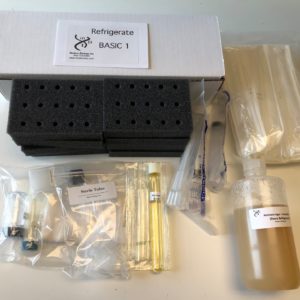
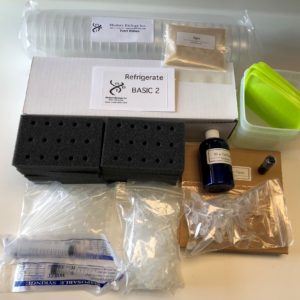
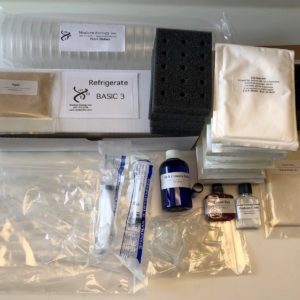
Standard Lab Programs
-
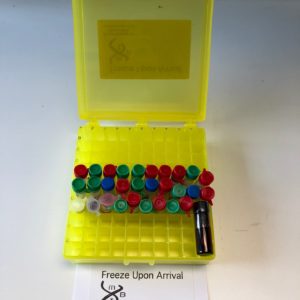 S1: Introduction to Molecular Biology$436.58
 -
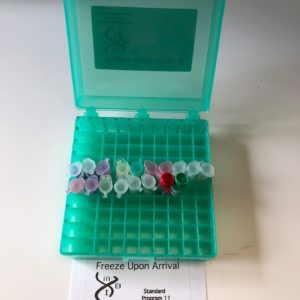 S11: Cloning a DNA Segment$329.23
 -
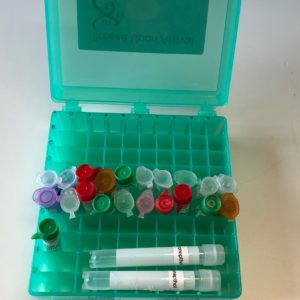 S5: Genetic Engineering$428.81